Energizing soil and livestock with the power of microbial fermentation.
Bio Charger is a material that uses microbial fermentation to improve soil and animal-rearing environments. It supports farming and livestock that don’t over-rely on chemicals, right from the ground up.
Bio Charger T (for crops)
For building soil in fields. This microbial fermentation material improves the soil environment and supports healthy crop growth from the ground up. As an Organic JAS material, it suits organic farming as well as pesticide-free and natural cultivation.
Bio Charger A (A = “A-feed”)
For livestock feed. The “A” stands for “A-feed,” which contains no animal-derived ingredients, so it can be used with confidence even for ruminants such as cattle. Through microbial fermentation, it draws out the innate strength of animals and supports a healthy rearing environment.
Exceptional fast action for an Organic JAS–certified material
Thanks to plant minerals, our original blend of microbes, and fermentation technology, it is a soil conditioner that combines the rare qualities of fast action and lasting effect among Organic JAS–certified materials. Each year of use, organic minerals and about 200 kinds of microbes nurture the soil into rich earth where earthworms can thrive, just like in the old days.
※ A comparison of planters sown at the same time and grown under the same conditions. Growth varies with soil, temperature, sunlight, watering and other conditions.
Suda Shoji (black garlic), Yurihonjo, Akita|Bio Charger T

At Suda Shoji in Yurihonjo, Akita, they grow black garlicusing Bio Charger T (for crops). They manage about three tan of fields across 3 sites. This field had struggled the year before, but after introducing Bio Charger T, the soil changed and growth improved,” says the farm manager. They apply Bio Charger T at the base of the plants, building soil they can use with confidence as an Organic JAS material.
The person front-row center wearing the white headcloth is President Mieko. She has stood in the fields for many years, carrying on Suda Shoji’s garlic farming across generations.


The field, with Bio Charger T applied at the base of the plants. *Growth varies with soil, weather and other environmental conditions.
Kamiya Livestock (pig farming), Okinawa|Bio Charger A 4 years of continuous use
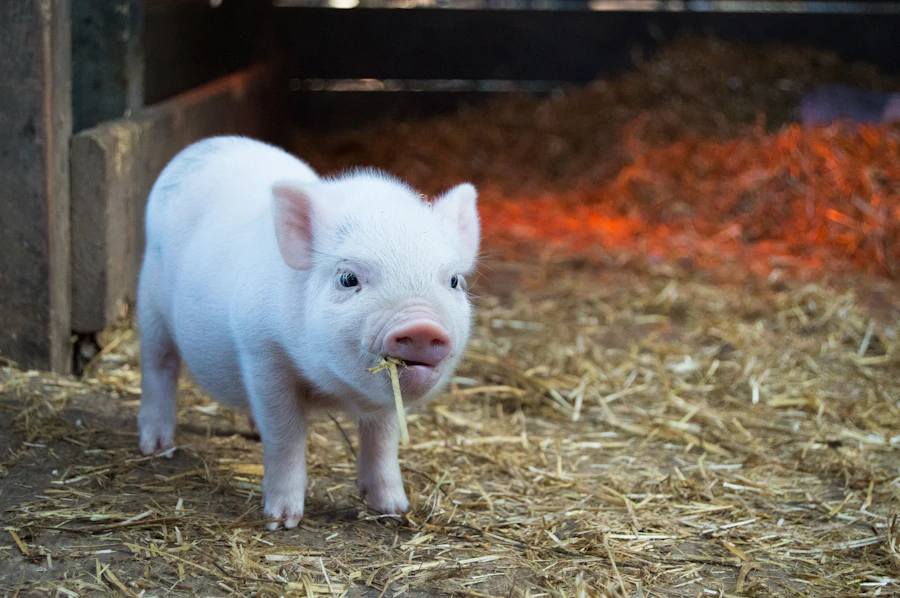
At the Okinawa pig farm “Kamiya Livestock,” Bio Charger A has been used 4 yearscontinuously. The very fact that it has been used for so long speaks to its real-world results and ease of ongoing use.
- Odor (ammonia) from the barn and manure pit has eased greatly, making daily tasks such as cleaning more comfortable.
- A better gut environment improves feed efficiency (FCR), contributing to stable feed costs.
- In the carcass, fuller loin eye and marbling (intramuscular fat) show favorable tendencies, leading to more consistent grading and stable yield.

“The sharp, eye-stinging odor when cleaning the drains is gone, making the work much easier.”
“The barn environment has settled down, and the pigs seem calmer and more energetic than before.”
“Overall management has become easier, and we can fatten the pigs more consistently.”
※ These are personal impressions of farm staff and do not guarantee any effect.
※ The above is based on hands-on impressions and observations at Kamiya Livestock; effects vary by individual animal and rearing environment. Kamiya Livestock can be introduced as a demonstration farm open to visits.
Yolk firm enough to lift with chopsticks
The “Bio Charger Egg” from Kudaka Poultry Farm comes from hens raised with Bio Charger A (feed). When cracked, the yolk is firm enough to be lifted with chopsticks. In our test placing it beside a well-known brand egg, the Bio Charger egg’s yolk stood up firmly and resisted breaking even when pinched with chopsticks.
The egg used in this test was a Bio Charger egg stored in the fridge for about 3 weeks after purchase. Even so, the yolk resisted breaking and kept enough firmness to be lifted with chopsticks.


When pinched with chopsticks, the yolk broke apart.
Even after 3 weeks, the yolk didn’t break and kept its shape when pinched with chopsticks.
※ This is one example of a test we conducted. Yolk firmness and appearance vary with the egg’s freshness, storage and individual differences.